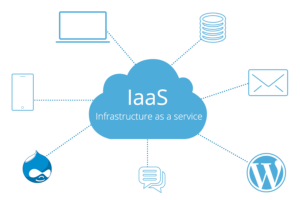
Infrastructure as a Service (IaaS) is a cloud computing model that provides virtualized computing resources over the internet. In this model, instead of purchasing and managing physical hardware and infrastructure, businesses and individuals can rent or lease computing resources on a pay-as-you-go basis from a cloud service provider.
Key features of Infrastructure as a Service (IaaS) include:
1. Virtualized Computing Resources: IaaS offers virtualized computing resources such as virtual machines (VMs), virtual storage, and networking components. These resources can be easily scaled up or down based on the user’s requirements.
2. On-Demand Provisioning: Users can quickly provision and deprovision resources as needed. This agility allows businesses to respond rapidly to changes in demand and avoid the need for long-term commitments.
3. Self-Service Management: IaaS platforms typically provide a web-based interface or APIs that allow users to manage and control their virtual infrastructure autonomously. Users can deploy, monitor, and manage their applications and services on the cloud platform.
4. Pay-as-You-Go Billing: With IaaS, users are billed based on their actual resource consumption. This cost model offers cost savings for organizations as they only pay for the resources they use, eliminating the need for upfront hardware investments.
5. Scalability: IaaS platforms can scale resources horizontally or vertically, allowing users to handle varying workloads effectively. It ensures that applications can handle increased traffic or data processing requirements without service interruptions.
6. Geographical Distribution: IaaS providers often have multiple data centers in different locations, enabling users to deploy their applications and data in various regions for improved performance, availability, and disaster recovery.
7. Security and Compliance: Reputable IaaS providers implement robust security measures to protect their infrastructure and data. They may also offer compliance certifications to meet industry standards and regulatory requirements.
Examples of popular Infrastructure as a Service providers include Amazon Web Services (AWS), Microsoft Azure, Google Cloud Platform (GCP), IBM Cloud, and Oracle Cloud Infrastructure (OCI).
IaaS is one of the three primary cloud service models, alongside Platform as a Service (PaaS) and Software as a Service (SaaS). Each model caters to different levels of control and management responsibilities, allowing users to choose the one that best fits their needs.