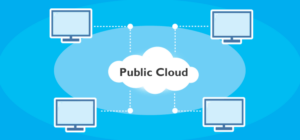
Public cloud refers to a type of cloud computing service model in which computing resources, such as servers, storage, databases, networking, software applications, and other services, are made available over the internet by a third-party cloud service provider. These resources are shared among multiple organizations and users, making it a cost-effective and scalable solution for businesses and individuals.
Key characteristics of public cloud services include:
1. **Accessibility**: Public cloud services are accessible to anyone with an internet connection and appropriate authentication credentials. Users can access these services from anywhere in the world.
2. **Shared Infrastructure**: The computing resources in a public cloud environment are shared among multiple users, often referred to as “multi-tenancy.” This pooling of resources allows for cost efficiency and scalability.
3. **Pay-as-You-Go Pricing**: Public cloud providers typically follow a pay-as-you-go pricing model, where users are charged based on their actual usage of resources. This allows organizations to avoid large upfront capital expenditures and pay only for the resources they consume.
4. **Scalability**: Public cloud services are designed to be highly scalable, meaning resources can be easily scaled up or down based on demand. This scalability ensures that businesses can handle varying workloads without the need for significant infrastructure changes.
5. **Elasticity**: Elasticity is an extension of scalability. It enables resources to automatically adjust based on demand. This means that resources can be automatically provisioned or de-provisioned as needed, ensuring optimal performance and cost-efficiency.
6. **Managed Services**: Public cloud providers offer a wide range of managed services, such as databases, AI/ML services, security features, and more. These services allow businesses to focus on their core operations without worrying about managing underlying infrastructure.
7. **Global Reach**: Public cloud providers typically have data centers located in various regions around the world. This global reach allows organizations to deploy applications closer to their end-users for better performance and compliance with data residency requirements.
Some well-known public cloud providers include Amazon Web Services (AWS), Microsoft Azure, Google Cloud Platform (GCP), IBM Cloud, and Oracle Cloud. Each provider offers a variety of services and features tailored to different business needs and use cases.
Public cloud services have become popular because they offer agility, cost-effectiveness, and the ability to scale rapidly, making them an attractive choice for startups, small businesses, and enterprises alike. However, organizations must consider security, compliance, and data privacy factors when choosing a public cloud provider and migrating their workloads to the cloud.