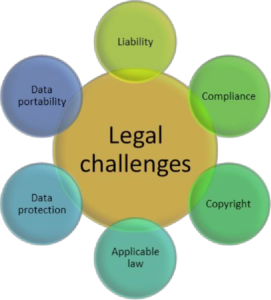
The cloud refers to the delivery of computing services over the internet, allowing users to access and use a variety of resources, such as storage, servers, databases, networking, software, and more, without the need for physical hardware or infrastructure on their premises. While cloud computing offers numerous advantages, such as scalability, flexibility, cost savings, and accessibility, it also brings certain legal restrictions and considerations that users and providers must be aware of. Some of these legal restrictions include:
1. Data Privacy and Security: One of the major concerns related to cloud computing is the protection of data. Many countries have strict data privacy laws that require personal and sensitive information to be stored and processed securely. Cloud providers and users must comply with these regulations, such as the European Union’s General Data Protection Regulation (GDPR) or the California Consumer Privacy Act (CCPA).
2. Data Residency and Cross-Border Data Transfer: Some jurisdictions have specific laws or regulations that require data to be stored within their borders or restrict the transfer of data to certain countries. This can affect cloud providers who operate globally, as they need to ensure compliance with these requirements when handling data from different regions.
3. Intellectual Property Rights: Cloud computing involves the storage and transmission of data and software applications. Users and providers must ensure that they have the necessary rights and licenses to use, distribute, and store the data and applications in the cloud without infringing on intellectual property rights.
4. Compliance and Industry Regulations: Various industries, such as healthcare, finance, and government, have specific regulations and standards that must be followed regarding data handling and security. Cloud providers that serve clients in these industries must demonstrate compliance with relevant regulations, such as Health Insurance Portability and Accountability Act (HIPAA) for healthcare data or Payment Card Industry Data Security Standard (PCI DSS) for credit card information.
5. Service Level Agreements (SLAs): When using cloud services, users often enter into agreements with cloud providers through SLAs. These agreements define the terms of service, including availability, performance, and support levels. Legal restrictions may come into play if there are breaches of SLA terms or disputes between parties.
6. E-Discovery and Legal Hold: In legal matters, organizations may be required to produce electronic data for litigation or investigation purposes. Cloud data can be subject to e-discovery requests, and organizations must have proper processes in place to preserve and retrieve relevant data when needed.
7. Government Access and Surveillance: Cloud providers may be subject to government requests for data access or surveillance, depending on the laws and regulations of the country where the data is stored or processed. This can raise concerns about user privacy and data security.
To address these legal restrictions and ensure compliance, organizations using cloud services should carefully review the terms and conditions of their cloud service agreements, conduct due diligence on cloud providers’ security and compliance practices, and work with legal and cybersecurity experts to safeguard their data and adhere to applicable regulations.