The term “The Cloud” generally refers to cloud computing, which is the delivery of computing services over the internet. Instead of hosting and running applications or storing data on local servers or personal computers, cloud computing relies on remote servers provided by third-party service providers. These servers are housed in data centers and can be accessed over the internet by users and businesses to store, manage, and process data, as well as run applications.
Cloud computing offers various advantages, including scalability, flexibility, cost-efficiency, and accessibility. Users can access their data and applications from virtually anywhere with an internet connection, and they can easily scale their resources up or down based on their needs.
Regarding “Price,” it’s essential to understand that the cost of cloud computing services can vary significantly based on several factors:
1. **Service Model**: Cloud computing offers different service models, such as Infrastructure as a Service (IaaS), Platform as a Service (PaaS), and Software as a Service (SaaS). Each service model has its pricing structure.
2. **Resource Usage**: The cost is often based on the resources used, such as computing power (CPU), storage, memory, data transfer, and network usage. The more resources you consume, the higher the cost.
3. **Subscription vs. Pay-as-you-go**: Cloud providers often offer different pricing models, such as subscription-based plans or pay-as-you-go options. Pay-as-you-go can be cost-effective for businesses with varying workloads, as they only pay for the resources they use.
4. **Cloud Provider**: Different cloud service providers (e.g., Amazon Web Services – AWS, Microsoft Azure, Google Cloud Platform – GCP, etc.) may have different pricing structures and offer various features, so it’s essential to compare costs and features.
5. **Location**: Some cloud providers offer different pricing based on the geographical region where the data center is located. Prices can vary depending on the specific region you choose to host your resources.
6. **Data Storage Class**: Some cloud providers offer multiple storage classes, such as standard storage and cold storage. The cost may vary based on the storage class you choose.
7. **Data Transfer**: Transferring data in and out of the cloud can also incur costs, depending on the volume of data being transferred.
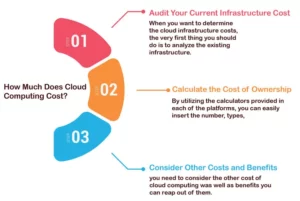
To get accurate pricing information, it’s best to visit the websites of the cloud service providers you’re interested in and review their pricing details, as they are subject to change over time. Additionally, many cloud providers offer pricing calculators that allow you to estimate the costs based on your specific needs and usage patterns.