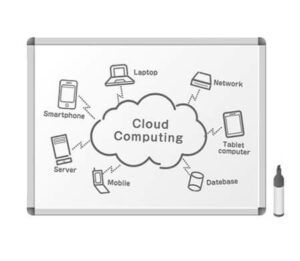
The term “Cloud” refers to cloud computing, which is a technology that enables the delivery of various computing services over the internet. Instead of hosting applications, storing data, or running programs on a local computer or server, cloud computing allows users to access these resources remotely via the internet.
The “Cloud” essentially represents a vast network of servers located in data centers around the world. These servers are maintained and managed by cloud service providers such as Amazon Web Services (AWS), Microsoft Azure, Google Cloud Platform (GCP), and others.
Cloud computing offers several key services:
1. Infrastructure as a Service (IaaS): Provides virtualized computing resources over the internet, such as virtual machines, storage, and networking.
2. Platform as a Service (PaaS): Offers a platform and environment for developers to build, deploy, and manage applications without worrying about the underlying infrastructure.
3. Software as a Service (SaaS): Delivers software applications over the internet on a subscription basis, eliminating the need for local installation and maintenance.
The advantages of cloud computing include:
– Scalability: Resources can be easily scaled up or down to meet changing demands, allowing businesses to pay only for what they use.
– Cost-effectiveness: Cloud services reduce the need for physical hardware and maintenance costs, making it more affordable for businesses.
– Accessibility: Users can access cloud resources from anywhere with an internet connection, facilitating collaboration and remote work.
– Reliability: Cloud service providers typically offer high levels of uptime and data redundancy, ensuring reliable access to services and data.
– Flexibility: Cloud platforms support a wide range of applications and workloads, accommodating various business needs.
Despite these benefits, organizations must also consider security, data privacy, and vendor lock-in when adopting cloud computing solutions. Overall, the cloud has revolutionized the way businesses and individuals access and utilize computing resources, enabling greater efficiency, agility, and innovation in the digital era.